



Introduction
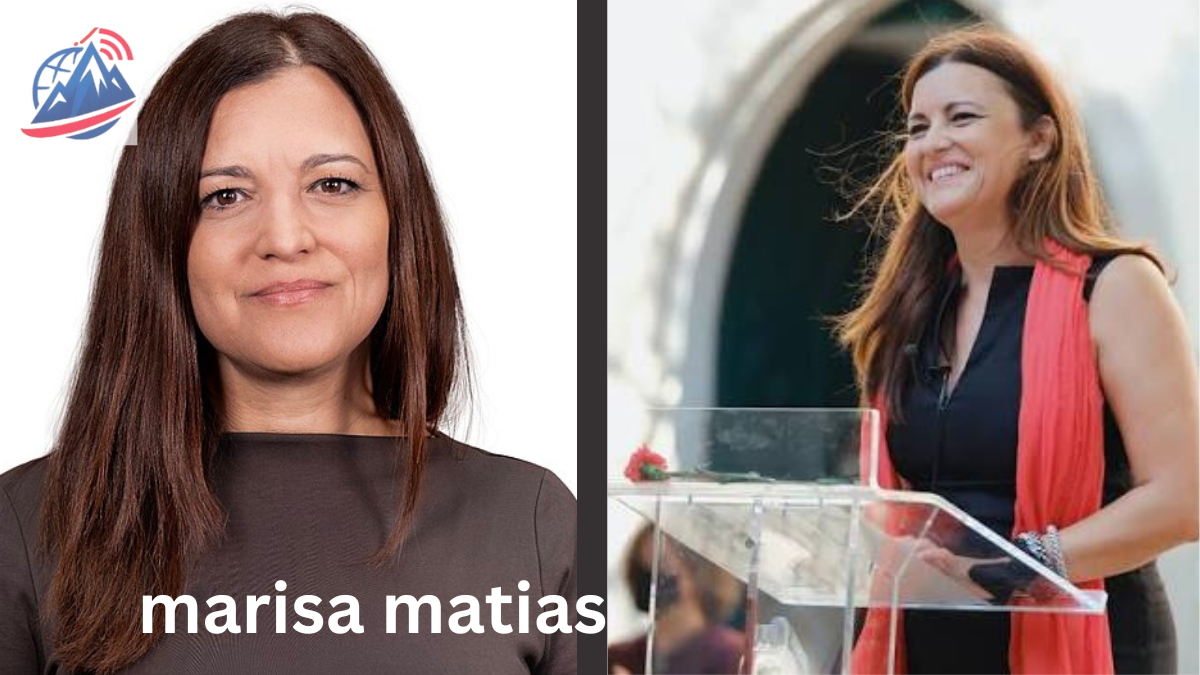
Marisa Matias is one of Portugal’s most recognizable political figures, known for her commitment to social justice, public health, human rights, and democratic values. Throughout her political journey, she has earned a reputation for speaking openly about issues affecting ordinary citizens while advocating for policies that promote equality and fairness. Her work in both Portuguese and European politics has made her a respected voice on topics ranging from healthcare reform to environmental sustainability.
Unlike many politicians who primarily focus on domestic affairs, Marisa Matias has balanced national and international responsibilities throughout her career. Her time in the European Parliament allowed her to influence discussions on health policy, consumer protection, economic justice, and transparency within European institutions. At the same time, she remained closely connected to the concerns of Portuguese citizens.
This biography explores Marisa Matias’s early life, education, political career, achievements, personal values, and lasting influence. By understanding her journey, readers gain insight into how dedication, expertise, and consistent advocacy can shape a meaningful career in public service.
Early Life and Educational Background
Marisa Isabel dos Santos Matias was born on September 20, 1976, in Coimbra, Portugal. Growing up in one of Portugal’s historic cities exposed her to a rich cultural and academic environment from an early age. Coimbra is widely known for its prestigious university and intellectual traditions, which undoubtedly influenced her interest in politics and public affairs.
During her youth, Matias developed a strong awareness of social issues affecting Portuguese society. Like many future political leaders, she became interested in understanding how governments, institutions, and policies shape everyday life. Her curiosity extended beyond politics and into broader questions about social inequality, healthcare, education, and economic development.
She pursued higher education in sociology, a field that examines society, human behavior, institutions, and social relationships. Studying sociology provided her with valuable analytical skills and a deeper understanding of the structural challenges facing communities. This academic background later became an important foundation for her evidence-based approach to policymaking and political advocacy.
Entering Politics and Building a Political Career
Marisa Matias became actively involved with the Left Bloc (Bloco de Esquerda), a Portuguese political party known for promoting progressive policies centered on social equality, workers’ rights, environmental protection, and democratic reforms. The party quickly recognized her abilities as a thoughtful communicator and policy expert.
Instead of relying solely on political rhetoric, Matias built her reputation through detailed policy work and research. She demonstrated an ability to explain complex political issues in language that ordinary citizens could understand. This communication style helped broaden her appeal among voters seeking practical solutions rather than empty promises.
As her responsibilities within the party grew, she became increasingly involved in discussions about Portugal’s relationship with the European Union, healthcare systems, consumer protections, and public accountability. Her willingness to address difficult topics with confidence established her as one of the party’s leading political voices.
Service in the European Parliament
One of the most significant chapters in Marisa Matias’s career began when she was elected as a Member of the European Parliament (MEP). Representing Portugal on the European stage allowed her to contribute to legislation and policy discussions affecting millions of European citizens.
During her tenure, Matias worked extensively on public health policy. She advocated for stronger healthcare systems, better access to medicines, increased transparency within pharmaceutical industries, and improved consumer protections. Her work often emphasized the importance of ensuring that healthcare remains accessible regardless of a person’s economic circumstances.
In addition to health-related issues, she contributed to debates involving financial regulation, environmental policy, democratic accountability, and social rights. Her parliamentary work reflected a consistent belief that European cooperation should improve citizens’ daily lives rather than simply strengthen political institutions.
Her experience in Brussels and Strasbourg also broadened her international perspective, enabling her to collaborate with policymakers from different countries while representing Portuguese interests within the European Union.
Presidential Campaigns and National Recognition
Although Marisa Matias gained considerable recognition through European politics, she also became well known within Portugal after running for the presidency. Her presidential campaigns introduced her ideas to a wider national audience and demonstrated her commitment to offering progressive alternatives in Portuguese politics.
Her campaign focused on strengthening public services, protecting democratic institutions, reducing social inequality, and promoting environmental sustainability. Rather than emphasizing political divisions, she frequently highlighted the importance of dialogue, inclusion, and citizen participation in democratic decision-making.
Even though she did not win the presidency, her campaigns significantly increased her visibility and influence. Many observers praised her ability to communicate complicated policy issues in a calm, respectful, and accessible manner. Her performances during debates reinforced her reputation as a knowledgeable and well-prepared political leader.
These campaigns also allowed her to engage directly with communities across Portugal, listening to citizens’ concerns about employment, education, healthcare, housing, and economic opportunity.
Political Beliefs and Core Values
Marisa Matias has consistently promoted progressive political values throughout her public career. At the center of her political philosophy is the belief that governments should prioritize the well-being of citizens while protecting democratic institutions and human rights.
Healthcare has remained one of her strongest policy interests. She has repeatedly argued that quality medical care should be considered a fundamental public service rather than a privilege available only to those with greater financial resources. Her work frequently emphasizes patient rights, affordable medicines, and investment in public healthcare systems.
She has also supported stronger environmental protections and policies addressing climate change. For Matias, environmental sustainability is closely connected with social justice because environmental problems often affect vulnerable communities the most. This perspective has shaped many of her policy positions throughout her political career.
Economic fairness represents another important aspect of her political agenda. She has advocated for measures designed to reduce inequality, strengthen labor protections, and improve opportunities for disadvantaged groups while encouraging responsible economic development.
Leadership Style and Public Image
One reason Marisa Matias has maintained public respect is her thoughtful and measured leadership style. Rather than relying on confrontation or sensational headlines, she generally approaches political debates with careful preparation and detailed knowledge of the issues under discussion.
Supporters often describe her as approachable, knowledgeable, and committed to evidence-based policymaking. Her academic background in sociology contributes to her ability to analyze complex social challenges from multiple perspectives before proposing solutions.
Her communication style also distinguishes her from many contemporary politicians. She often explains technical policy matters in clear language, making important political discussions more accessible to the general public. This emphasis on clarity has helped build trust among citizens seeking honest and informed political leadership.
At the same time, she has shown resilience when facing political criticism. Like many prominent public figures, she has encountered disagreement and debate, yet she has continued advocating for the principles that define her political identity.
Achievements and Contributions
Marisa Matias’s career includes numerous contributions to Portuguese and European politics. Her work in the European Parliament helped shape discussions on public health, consumer safety, transparency, and democratic accountability.
She has played an important role in raising awareness about access to medicines and the need for stronger public health systems. These efforts gained particular relevance as healthcare challenges increasingly became global concerns requiring international cooperation.
Beyond legislative work, Matias has contributed to broader public conversations about social inclusion, equality, gender representation, and civic participation. Her speeches, interviews, and policy initiatives have encouraged citizens to engage more actively in democratic processes.
Another significant achievement is her ability to bridge academic knowledge and practical politics. Rather than separating research from policymaking, she has consistently incorporated evidence and expert analysis into her political work, strengthening the quality of public debate.
Challenges Throughout Her Career
Every political career involves obstacles, and Marisa Matias has experienced her share of challenges. Operating within both Portuguese and European political systems requires balancing national priorities with broader international responsibilities, which is rarely a simple task.
As a representative of a progressive political party, she has often advocated positions that generate lively public debate. Economic policy, healthcare funding, environmental regulation, and European integration remain subjects where differing political philosophies naturally lead to disagreement.
Presidential elections also presented demanding challenges. National campaigns require candidates to communicate with diverse audiences while addressing complex issues under significant public scrutiny. Although electoral victories remained elusive, these experiences strengthened her profile as an influential political figure.
Despite these challenges, Matias has continued participating actively in political discussions while remaining consistent with her long-standing values and policy priorities.
Legacy and Continuing Influence
Marisa Matias has established herself as an influential figure in modern Portuguese politics through years of public service, policy expertise, and advocacy for social justice. Whether working in European institutions or engaging with citizens across Portugal, she has consistently focused on improving public policy and protecting democratic values.
Her career demonstrates that political leadership extends beyond winning elections. Meaningful contributions can also come through legislative work, public education, policy research, and constructive participation in democratic institutions. Her influence continues to be reflected in discussions surrounding healthcare reform, equality, transparency, and social policy.
For younger generations interested in politics, her career offers an example of how academic knowledge, dedication, and consistent public engagement can contribute to meaningful political change. Her emphasis on evidence-based policymaking remains especially relevant in an era where informed decision-making is increasingly important.
Conclusion
Marisa Matias has built a distinguished career as a Portuguese politician, sociologist, and advocate for social justice. From her early years in Coimbra to her service in the European Parliament and presidential campaigns, she has consistently demonstrated a commitment to equality, healthcare, democratic accountability, and human rights.
Her political journey reflects the importance of combining academic understanding with practical public service. Through thoughtful leadership, detailed policy work, and clear communication, she has earned respect both within Portugal and across European political institutions.
As debates surrounding healthcare, social justice, environmental sustainability, and democratic governance continue to evolve, Marisa Matias’s contributions remain an important part of Portugal’s contemporary political landscape. Her career serves as an example of principled public service driven by a desire to improve society through informed policymaking and active democratic participation.
You May Also Read:Matia Marks: Everything You Need to Know About the Grading and Assessment System
for more visit newspeaka.co.uk
